


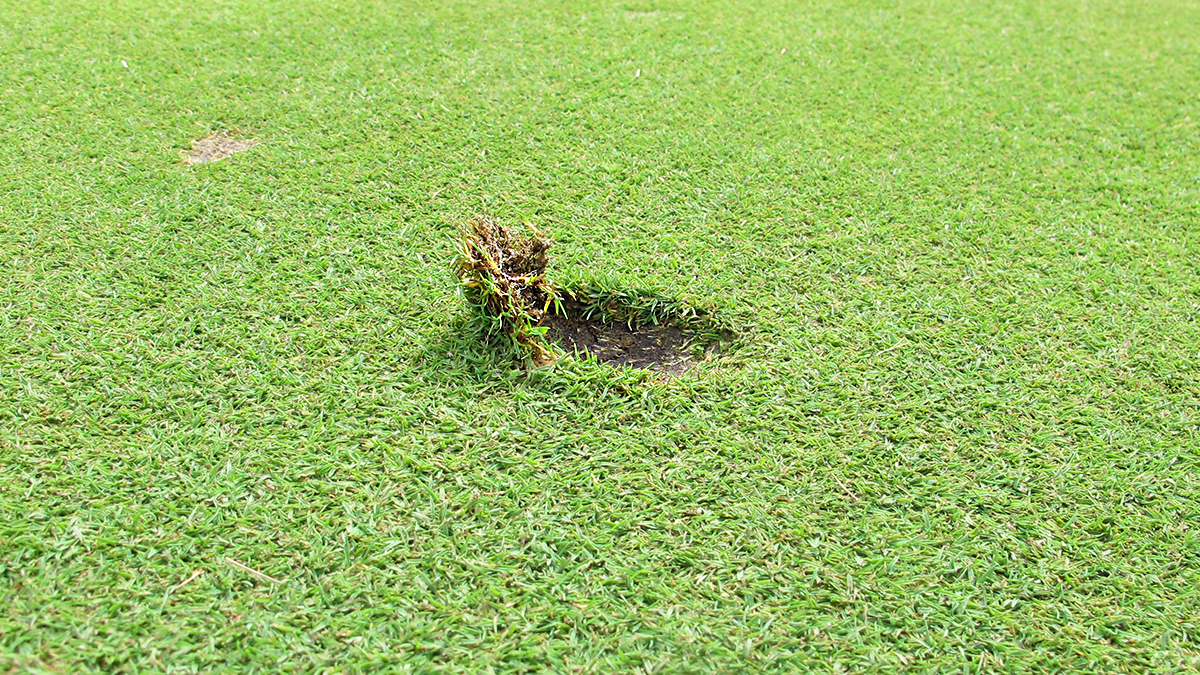
Most golfers fix ball marks with good intentions. The problem is that many were taught the wrong technique — lifting the center of the ball mark instead of pushing the grass inward.
At first glance, lifting looks like it works. The surface looks smooth and the mark seems gone. But underneath the green, real damage is happening.
Here’s why lifting ball marks damages greens, how it affects recovery time, and what golfers should do instead.
What Happens When a Ball Hits the Green
When a golf ball lands on the green, it compresses the turf and pushes grass and roots downward and outward.
A healthy repair isn’t about pulling grass up — it’s about guiding displaced turf back into place so the roots can reconnect with the soil.
How you repair the mark determines whether the grass heals quickly or struggles to recover.
Why Lifting the Center Causes Damage
Lifting the center of a ball mark pulls grass upward instead of repositioning it.
That motion:
- Tears or stretches the roots
- Breaks the connection between grass and soil
- Creates air pockets under the surface
Even if the green looks fine right away, the grass is often stressed or damaged beneath the surface.
This is why lifted ball marks frequently turn brown days later.

The Difference Between Surface Appearance and Root Health
One of the biggest misconceptions in ball mark repair is focusing only on how the green looks immediately after.
A lifted ball mark may look smooth, but:
- Roots have been torn
- Grass struggles to reattach
- Recovery takes much longer
Proper repair focuses on root health, not just surface appearance. When roots stay intact, the grass can recover in days instead of weeks.
How Lifting Slows Green Recovery
When roots are damaged, the grass has to regrow instead of reconnect.
That leads to:
- Longer healing times
- Discolored or dead patches
- Uneven putting surfaces
In contrast, ball marks repaired using the push-in method often heal in just a few days, especially during peak growing conditions.
Understanding how to fix a ball mark the right way makes this difference clear.
Why Course Superintendents Recommend Pushing, Not Lifting
Course superintendents see the long-term effects of improper repair every day.
That’s why they consistently recommend:
- Inserting the divot tool at the edge
- Pushing turf inward toward the center
- Avoiding upward prying motions
This method preserves the root structure and allows the grass to recover naturally.
How Tool Design Can Encourage the Wrong Technique
Some divot tools unintentionally make lifting more likely.
Common design issues include:
- Narrow, sharp prongs
- Excessively long tines
- Tools that dig too deep with little control
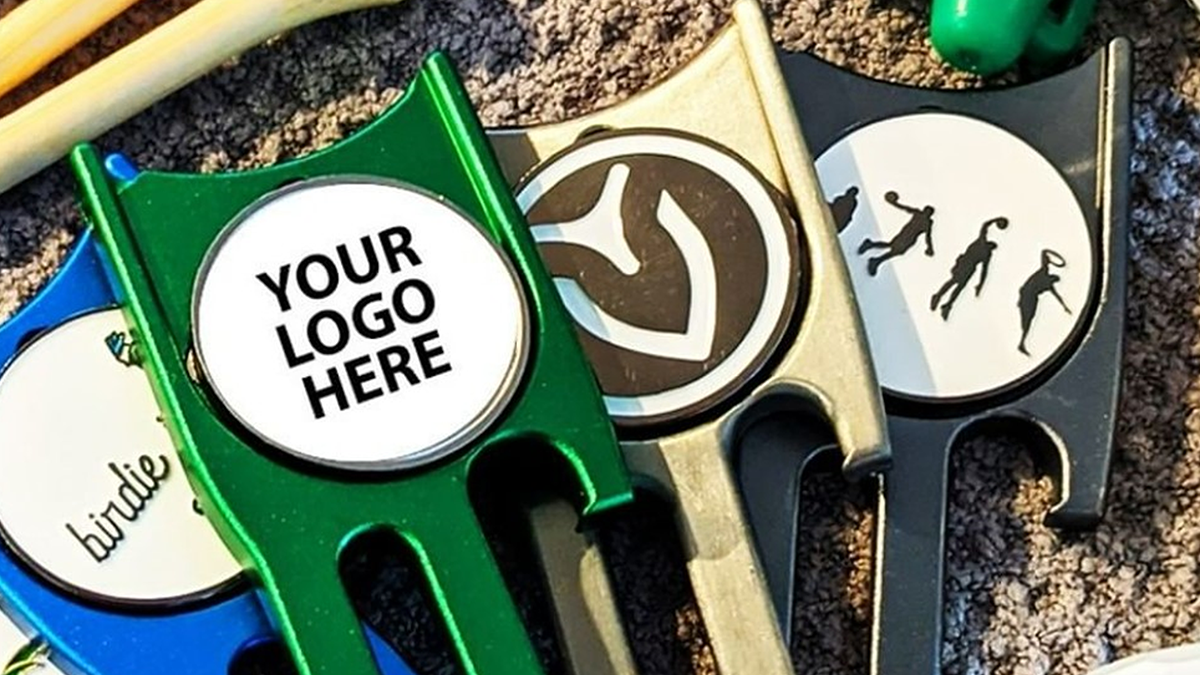
These designs encourage golfers to pry upward instead of pushing inward. Choosing from the best golf divot tools can make proper technique easier and more intuitive.
The Right Way to Repair a Ball Mark
The correct method is simple:
- Insert the divot tool at the edge of the ball mark
- Gently push the turf inward toward the center
- Work around the mark from multiple sides
- Lightly tamp the surface flat with a putter
If you’re unsure about the motion, learning how to use a golf divot tool properly can help reinforce good habits.
Why This Matters More Than You Think
One improperly repaired ball mark might not seem like a big deal. But across hundreds of golfers and thousands of rounds, the impact adds up.
Poor repair leads to:
- Slower greens
- More scars
- Increased maintenance
Proper repair helps courses stay healthier and improves the experience for everyone who plays.
Final Thoughts
Lifting ball marks doesn’t just delay healing — it damages the grass at the root level.
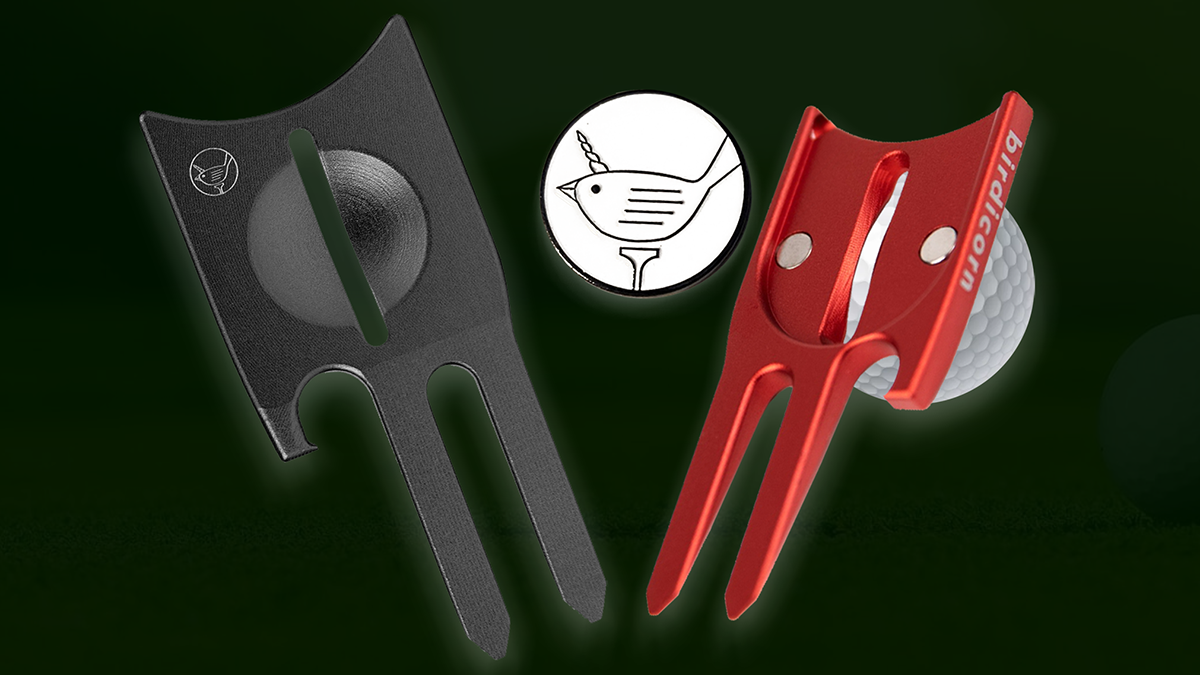
By understanding why lifting causes harm and using the push-in method instead, golfers can make a real difference in green health. Pair the right technique with a divot tool designed for control and comfort, and ball mark repair becomes second nature.
Greens recover faster. Putts roll truer. And the course stays in better shape for the players behind you.

Leave a comment
This site is protected by hCaptcha and the hCaptcha Privacy Policy and Terms of Service apply.