


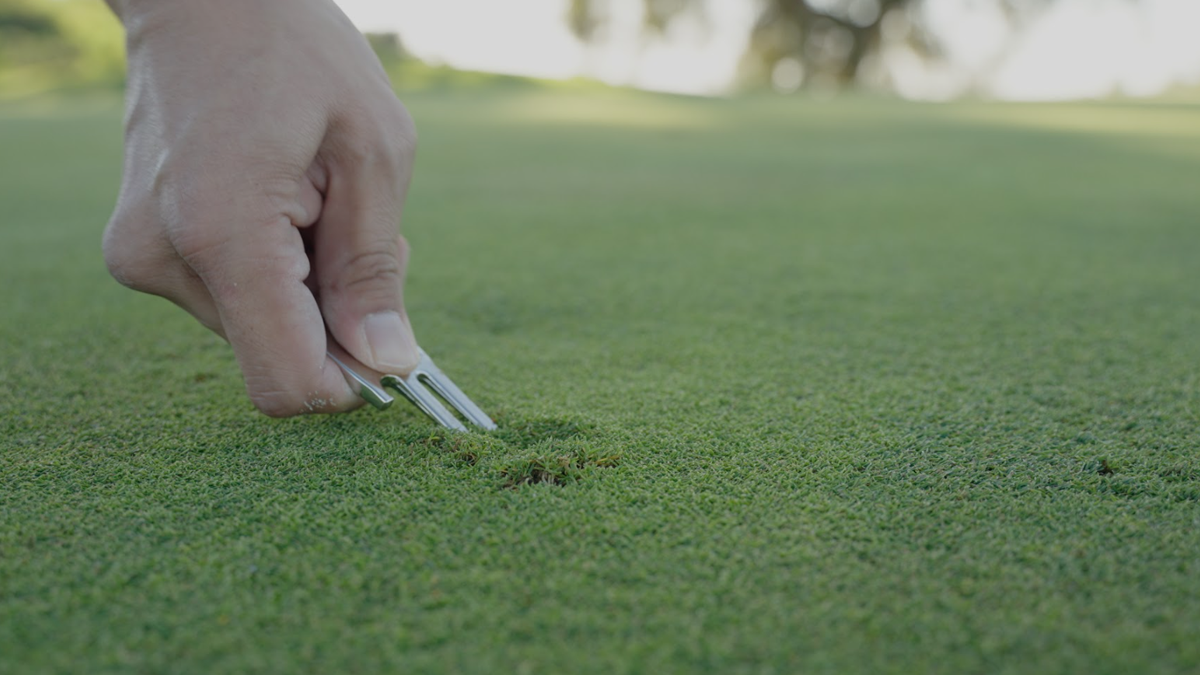
When a golf ball lands on the green, it often leaves a ball mark. Fixing it is basic golf etiquette — but surprisingly, most golfers have been taught the wrong way to do it.
In this guide, we’ll walk through how to fix a ball mark the right way, why lifting causes damage, and how using the right divot tool helps greens heal faster. If you play golf, this is one habit that actually makes a difference.
What Is a Ball Mark?
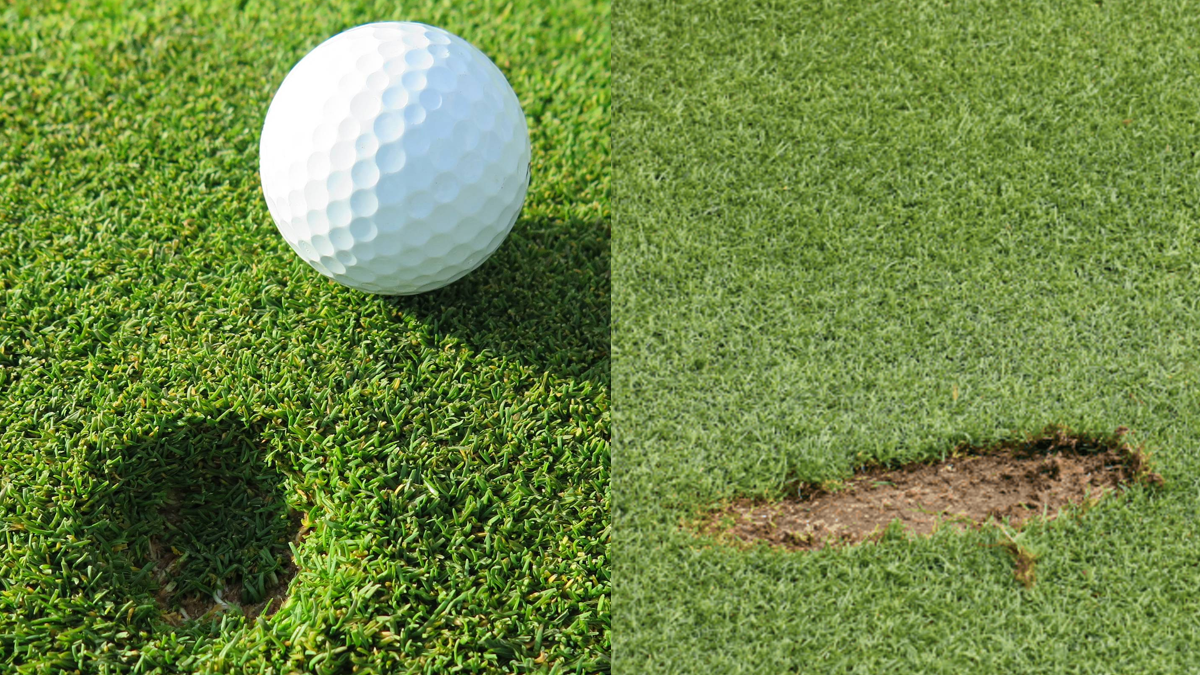
A ball mark (sometimes called a pitch mark) happens when a golf ball hits the green and compresses the turf and roots below the surface.
If ball marks aren’t fixed properly, they can:
- Knock putts offline
- Slow down green recovery
- Leave scars that last for weeks
When repaired correctly, most ball marks heal in just a few days.
The Correct Way to Fix a Ball Mark (Push, Don’t Lift)
The most common mistake golfers make is lifting the center of the ball mark upward. While it might look clean right away, this actually tears the roots and makes it harder for the grass to recover.
Here’s the right way to do it:
- Insert your divot tool at the edge of the ball mark
- Push the turf inward toward the center
- Work around the mark from all sides
- Gently tap the surface flat with your putter
The goal is to move the grass back into place, not pry it up.
If you’re unsure about the technique, a step-by-step guide on how to use a golf divot tool properly can help reinforce the right motion.

Why Lifting Ball Marks Damages Greens
When you lift a ball mark instead of pushing the grass inward, you’re pulling roots away from the soil. That damage doesn’t always show up immediately, but over time it leads to:
- Slower healing
- Discolored or dead patches
- Uneven putting surfaces
That’s why course superintendents consistently recommend the push-in method. It protects the roots and helps greens recover faster. Understanding why lifting ball marks damages greens can completely change how you approach ball mark repair.
Does the Divot Tool Matter?
Yes — more than most golfers think.
A good divot tool should:
- Support the push-in repair method
- Give you control without digging too deep
- Be comfortable enough to carry every round
Tools that are overly sharp, narrow, or have long prongs often encourage lifting instead of pushing. They can also poke through pockets or snag fabric, which means they end up left in the bag instead of carried.
A wider but thinner divot tool with blunt prongs gives better leverage while staying comfortable and safe in your pocket. If you’re trying to decide what to carry, comparing the best golf divot tools can make the choice much easier.
How Long Does It Take a Ball Mark to Heal?
How quickly a ball mark heals depends on how it’s repaired:
- Properly repaired ball marks usually heal in 2 to 3 days
- Improperly repaired marks can take weeks
- Unrepaired marks may never fully recover
Fixing just one extra ball mark per round adds up over time and makes a noticeable difference in green quality.
Common Ball Mark Repair Mistakes
Even golfers with good intentions make these mistakes:
- Lifting or twisting the center of the mark
- Using too much force
- Ignoring shallow ball marks
- Carrying flimsy or sharp tools
The goal isn’t to make the mark disappear instantly — it’s to help the grass recover properly.
Final Thoughts
Fixing a ball mark the right way is one of the simplest ways to respect the course and the players behind you.
Learn the correct technique, carry a divot tool that supports it, and make ball mark repair part of every round. Greens heal faster, putts roll truer, and everyone benefits.
If you’re looking for a divot tool designed around proper repair and everyday carry comfort, exploring quality divot tools built for real golfers is a great place to start.

Leave a comment
This site is protected by hCaptcha and the hCaptcha Privacy Policy and Terms of Service apply.